School Dog
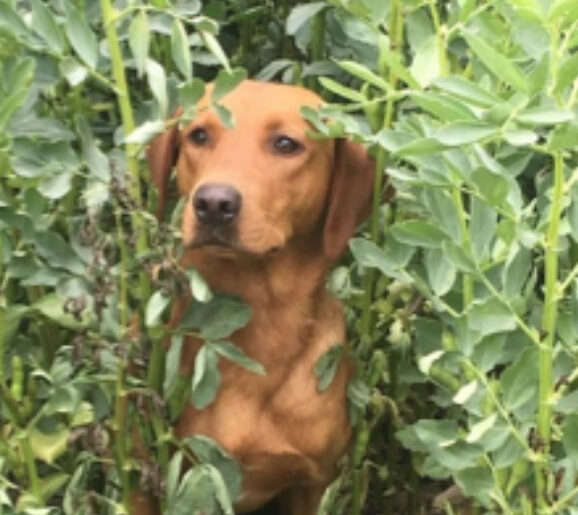
Copper the School Dog
Introducing Copper
Copper is a 6 year old fox red working Labrador belonging to Mrs Reynolds. She is from Scotland, joining the Reynolds family at 8 weeks old. Copper is highly trained and very obedient and she loves to have a story read to her.
Copper is a very special dog and we are lucky to have her be a part of our school.
Purpose
Dogs teach children responsibility. Having to remember to feed, provide water and show support for a dog can give children a sense of importance and satisfaction that they can’t get from school or other chores. The relationship that develops can be life-changing for a child and a great support system as they themselves continue to grow and develop.
Dogs teach children patience. Dogs do not always do as they are told first time!
Dogs teach children compassion. Just like humans, dogs feel emotion and pain. They are prone to injuries and the infirmities of age during their relatively short lives.
Dogs teach children about socialisation. Like most of us, dogs are social animals who enjoy and need attention and affection. By learning how to interact with a dog, children can learn how to better socialise with other children. If they can learn the social cues of a dog, then interacting with humans who can talk is much simpler!
Dogs are fun. Last, but certainly not least, dogs are a lot of fun. They greet you with a wagging tail every day and can cheer you up even on your worst day.
Many people have studied dogs in attempts to decipher their behaviour, and the theories abound. However, you just have to witness the interactions between dogs and children to realise the potential for greatness. Dogs can sense when children with epilepsy are about to have a seizure, they can sense when a diabetic child’s sugar is low, and they can help children with severe physical disabilities find happiness in life.
Guidelines for interaction with the School Dog:
- Under no circumstances will children have close interaction with the school dog unless the school has permission from parents/carers.
- Once permission has been given no child shall be forced into interaction with the school dog if this makes them feel unhappy in anyway.
- At all times interaction with the school dog must be controlled and safe for adults, children and the school dog himself.
- If the following guidelines are not followed interaction with the school dog will be cancelled. At all times of interaction there must be an authorised adult who takes the leading role when interacting with the school dog.
- If children, or visiting adults, do not abide by the guidance given by the authorised adult the interaction will be cancelled.
The following guidelines must be followed when interacting with the school dog. These guidelines apply to all adults and children:
- There must be an authorised adult present during all interaction
- Always approach the school dog calmly (voice and movement)
- Always approach the school dog slowly
- Never run up to the school dog
- To start interaction the back of a hand will be offered for the school dog to sniff
- Keep noise levels low during interaction with the school dog
- All interaction must remain calm with the authorised adult staying in control at all times
- Only the authorised adult can move any of the school dog’s resources, including food and treats
- Visiting children and adults can only handle equipment if the authorising adult gives permission
- Whilst the school dog is new to the school no visiting adult or children will give him any food/treats
- There must not be any interaction with the school dog whilst he is eating
- After all interaction with the school dog hands must be washed with soap and water/ hand gel
- When interacting with the school dog all children must remain on their feet. Children should not kneel or lay down when interacting unless guided to by the authorised adult
As the school dog becomes more established there will be times when interaction will take place outside. On these occasions the following guidelines apply in addition to the guidelines outlined above:
- No children will ever be asked/allowed to pick up faeces
- If walking the school dog the authorised adult stays in control of the lead at all times. Children joining the walk must stay calm and quiet and walk behind the school dog at all times.
To download the risk assessment for the school dog, click the link below: